The Ultimate Barndo Floor Plans Guide
Everything you need to know about barndo floor plans: popular layouts, design principles, zoning considerations, and how to customize your barndo for the way you live.
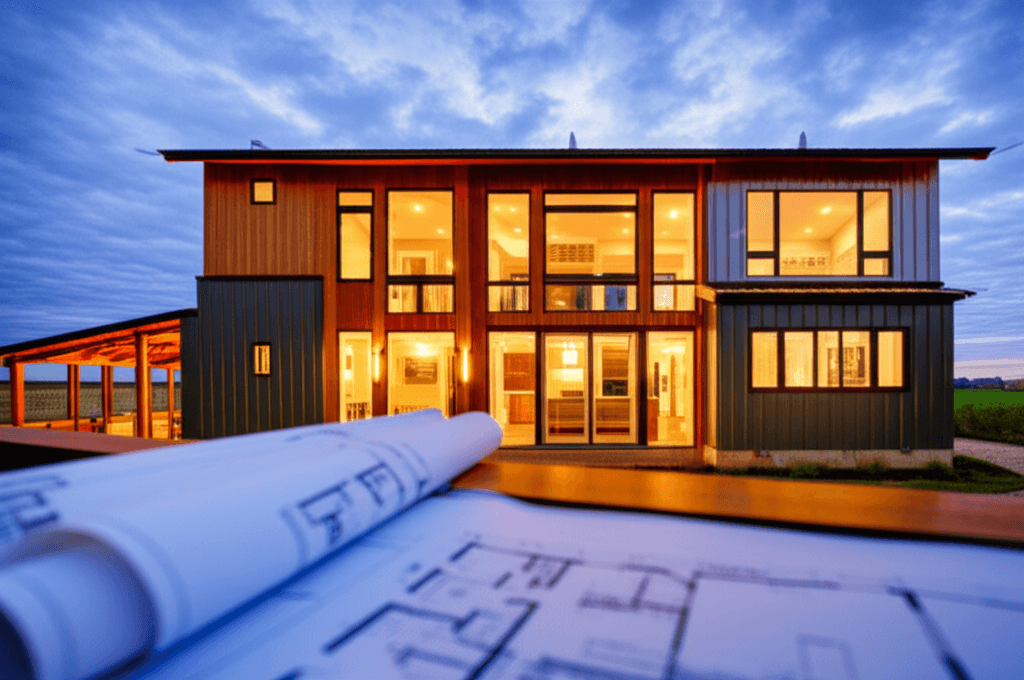
What Is a Barndo?
A barndo is a building that combines living space with a workshop, garage, or agricultural area under one roof. Built using post frame (pole barn) construction, barndos deliver the spacious, open-plan living found in modern lofts and industrial conversions at a fraction of the cost of conventional home construction.
The concept is simple: start with a large, clear-span shell (the "barn"), then finish part or all of the interior as a home (the "dominium"). Some barndos are fully residential. Others split the footprint between a shop and a living area. The beauty is that you decide the layout — the open interior has no load-bearing walls to constrain your floor plan.
Why Barndos Are Exploding in Popularity
Barndo Google searches have grown steadily every year since 2018, and for good reason:
- Cost. A barndo shell costs $20 to $40 per square foot versus $150 to $250+ for conventional home construction. Even fully finished, barndos typically cost 30 to 50 percent less than a comparable stick-built home.
- Speed. The structural shell goes up in 1 to 3 weeks. Total build time from order to move-in is 4 to 8 months, compared to 12 to 18 months for a conventional home.
- Open floor plans. Clear-span construction means no interior columns or load-bearing walls. You place walls where you want them.
- Durability. Steel exterior panels and engineered trusses resist wind, fire, and termites better than wood-frame homes.
- Versatility. Live, work, and store everything under one roof.
Popular Barndo Floor Plan Layouts
The Split Plan (Shop + Living)
The most popular layout divides the building roughly in half: one end is a workshop or vehicle storage area with overhead doors, and the other end is the living space with bedrooms, kitchen, and living areas. An interior wall with a door separates the two zones.
Best for: Homeowners who want a dedicated workspace attached to their living space. Ideal for hobbyists, small business operators, and anyone who wants to walk from their kitchen to their shop in ten seconds.
Typical sizes: 40x60 to 60x80. The 48x60 Homestead Barndo from our catalog is designed with this layout in mind.
The Open Loft Plan
Uses a gambrel or tall gable roof to create a full second-floor loft. The ground floor is entirely shop or garage space, and the upper level is the living area — bedrooms, bathrooms, kitchen, and living room with soaring ceilings and exposed trusses.
Best for: People who want to maximize garage or shop space on the ground level while keeping the living area elevated and separate. Works especially well with gambrel roofs, which maximize usable loft square footage.
Typical sizes: 40x60 to 48x72. You need at least 16-foot walls to create a comfortable loft.
The Full Residential Plan
The entire building footprint is dedicated to living space. No shop, no garage bays — just a large, open home with the barndo aesthetic. This layout works well for families who love the modern industrial look but do not need workshop space.
Best for: Primary residences, vacation homes, or rental properties where the goal is maximum living space at minimum cost.
Typical sizes: 30x50 to 60x80.
The Breezeway Plan
Two separate building sections connected by a covered breezeway or enclosed hallway. One section is the shop or garage, the other is the home. This layout keeps noise, dust, and fumes completely separated from the living space while maintaining a connected property.
Best for: Serious workshops (welding, woodworking, auto restoration) where air quality and noise isolation are important.
Key Design Principles for Barndo Floor Plans
1. Plan the Plumbing Stack Early
Plumbing is the most expensive utility to run in a barndo because post frame buildings typically sit on a slab — there is no basement or crawlspace for easy pipe routing. Plan your kitchen and bathrooms to be adjacent or stacked (if you have a loft) to minimize plumbing runs.
A common mistake is designing the floor plan without considering where the sewer line enters the building. Work with your plumber before pouring concrete.
2. Think About Ceiling Heights
Post frame buildings typically have flat ceilings between trusses, but you do not have to build it that way. Options include:
- Vaulted ceilings that follow the roof pitch (dramatic, open feel)
- Exposed trusses with a flat ceiling plane above (industrial aesthetic)
- Drop ceilings at 9 or 10 feet for a more traditional home feel
- Multi-level ceilings that change height between living and kitchen areas
The gambrel roof style provides the most usable ceiling height on the upper floor because its dual-slope profile keeps walls nearly vertical.
3. Windows and Natural Light
Metal buildings can feel dark if you do not plan for natural light. Be generous with windows. Consider:
- Large windows on the living area walls
- Skylights in the roof (available as add-ons in our configurator)
- Glass walk doors or sliding glass doors for the living area entrance
- Transom windows above overhead doors in the shop area
4. Sound Isolation Between Zones
If your barndo includes both shop and living space, invest in sound isolation at the dividing wall. Standard metal stud framing with double drywall layers and insulation between the shop and living area makes a significant difference. An insulated steel door between zones is another smart investment.
5. HVAC Zoning
Barndos benefit from zoned HVAC systems. Your shop area may only need occasional heating, while the living area needs year-round climate control. A mini-split system with separate zones for shop and living areas is the most efficient approach.
Zoning and Permitting Considerations
Before designing your barndo floor plan, verify these with your local building department:
- Is residential use allowed? Some agricultural zones do not permit full-time residential occupancy in post frame buildings. You may need a variance or rezone.
- Minimum square footage requirements. Some jurisdictions have minimum livable square footage requirements for a primary residence.
- Setback requirements. Metal buildings sometimes have different setback rules than conventional homes.
- Septic and well approvals. If you are on rural land without municipal water and sewer, you will need septic and well permits.
- Energy code compliance. Most jurisdictions require insulation and air sealing to meet the IECC (International Energy Conservation Code). This is achievable with post frame but requires intentional detailing.
Financing Your Barndo
Financing is the most common challenge for barndo buyers. Many traditional mortgage lenders are unfamiliar with post frame construction and may be hesitant to lend. Here are your best options:
- Construction-to-permanent loan. The ideal option — a single loan that covers construction and converts to a standard mortgage upon completion. Find a lender experienced with non-traditional construction.
- Farm credit / agricultural lenders. If your property is agricultural, Farm Credit System lenders are often more comfortable with post frame buildings.
- Personal loan or HELOC. For smaller barndos, a home equity line of credit or personal loan may be simpler than a construction loan.
- Cash or owner financing. The lower cost of barndo construction makes cash builds more feasible than conventional homes.
The most important thing: have your engineer-stamped plans ready before talking to lenders. Every PoleBarnes building package includes stamped plans, which gives lenders the confidence that the building meets code.
Getting Started with Your Barndo
The best way to start planning your barndo is to see what is possible. Browse our barndo designs to see pre-configured starting points, or use the building configurator to experiment with sizes, roof styles, and features.
If you want a custom floor plan, consider working with a designer from our marketplace. Our designers specialize in post frame residential projects and can create a layout tailored to your family, your land, and your budget.
Your barndo starts with the shell. We handle the structure. You handle the dream.